Mohamed Imran
🚀 5-Part Enterprise Automation Series
Role: Sr.salesforce Admin/Consultant & Architect | Stack: Advanced Flow, Custom Metadata, Tableau, External Services
Overview
This series demonstrates 5 real-world solutions to complex enterprise problems, utilizing 100% declarative tools (No-Code). Each episode focuses on scalable architecture, separating business logic (Custom Metadata) from automation (Flow) to ensure maintainability.
📺 Episode 1: Smart Discount Guardrails (CPQ)
The Business Problem
Sales teams were pushing high discounts to close deals without justification, eroding margins. Leadership needed a clear “approval story,” but the logic lived in people’s heads, leading to inconsistent enforcement.
The Solution
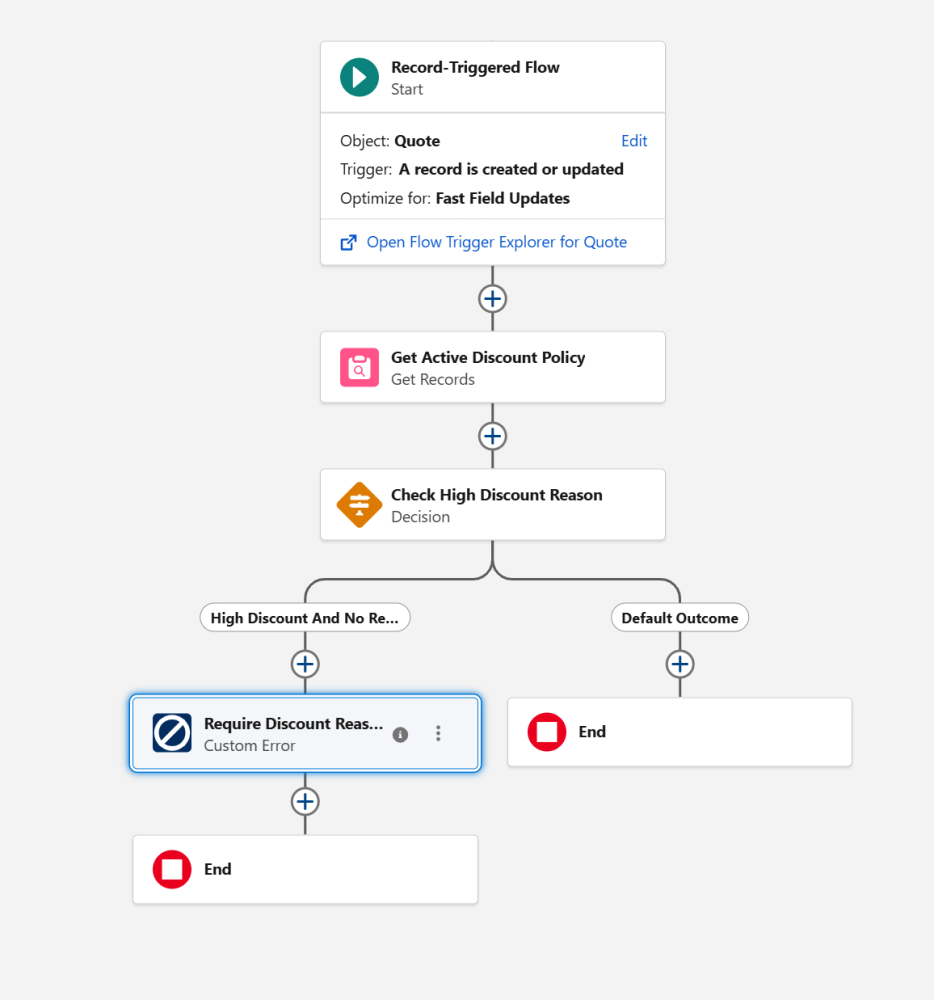
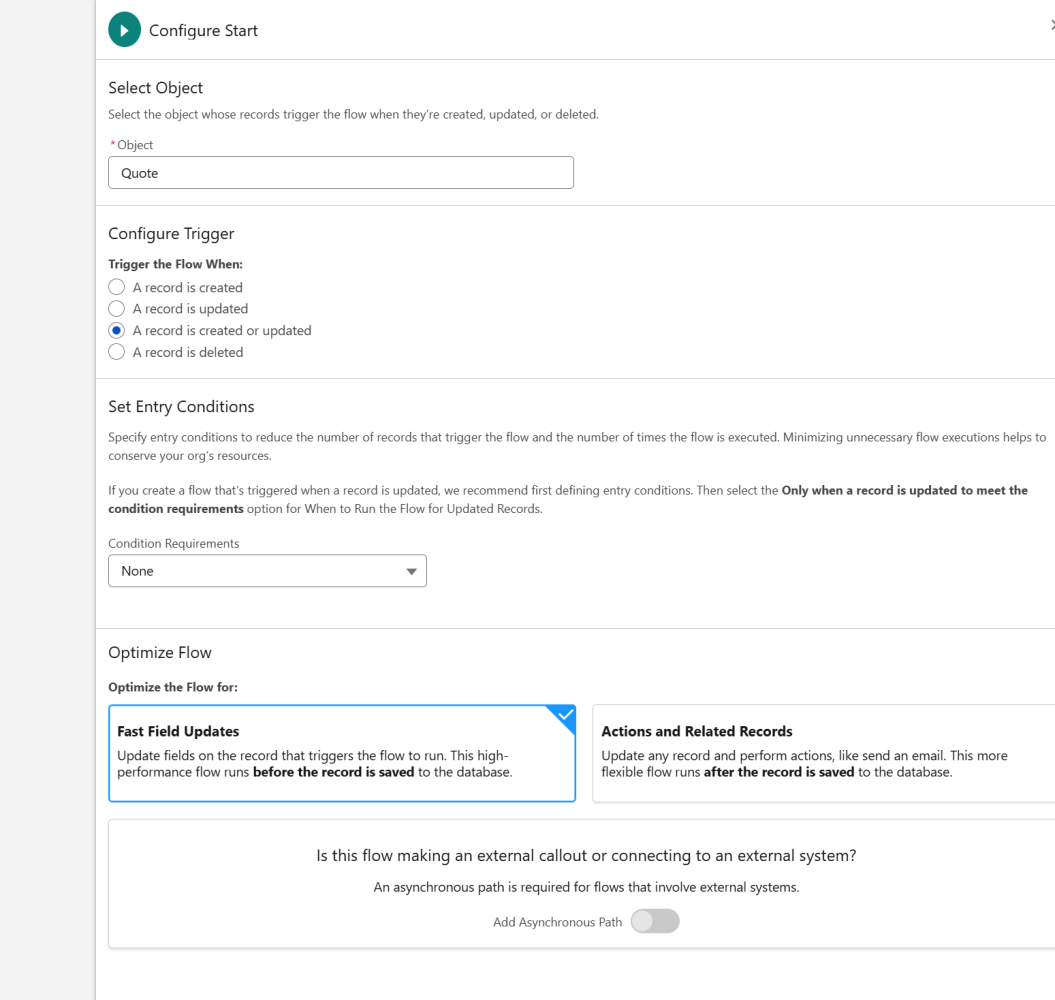
I built a lightweight guardrail on the Quote object using a Before-Save Flow (Fast Field Updates).
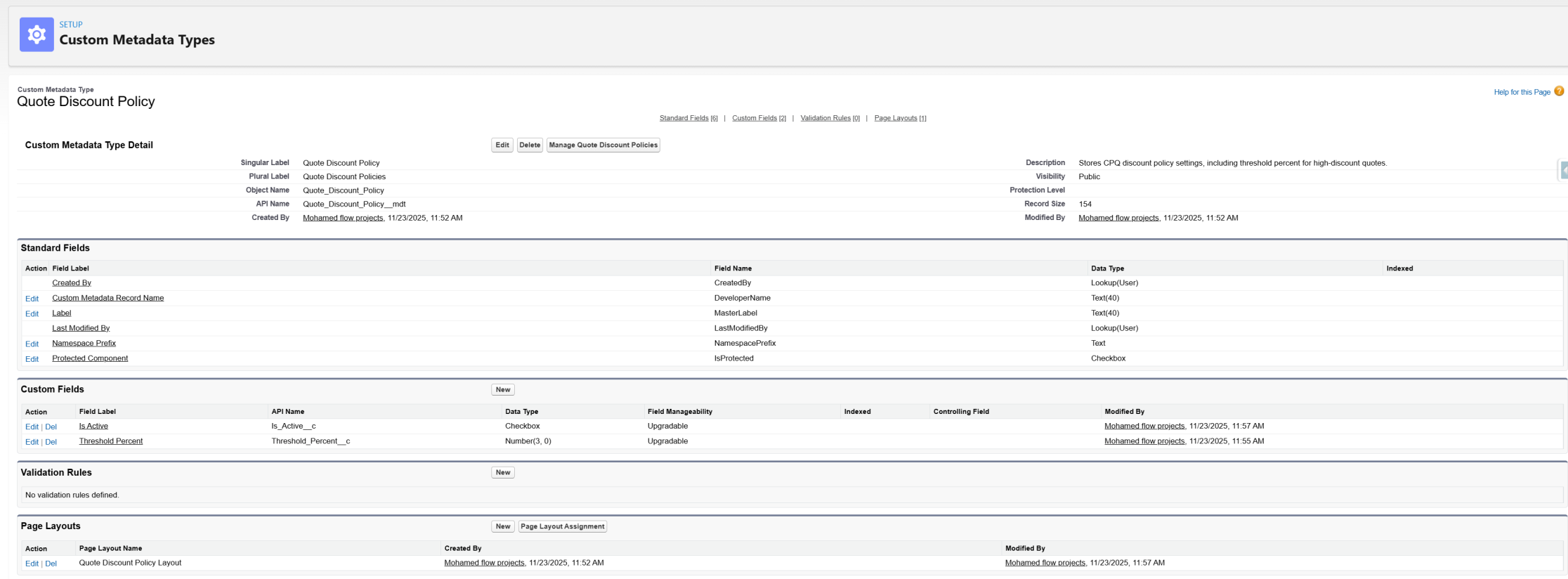
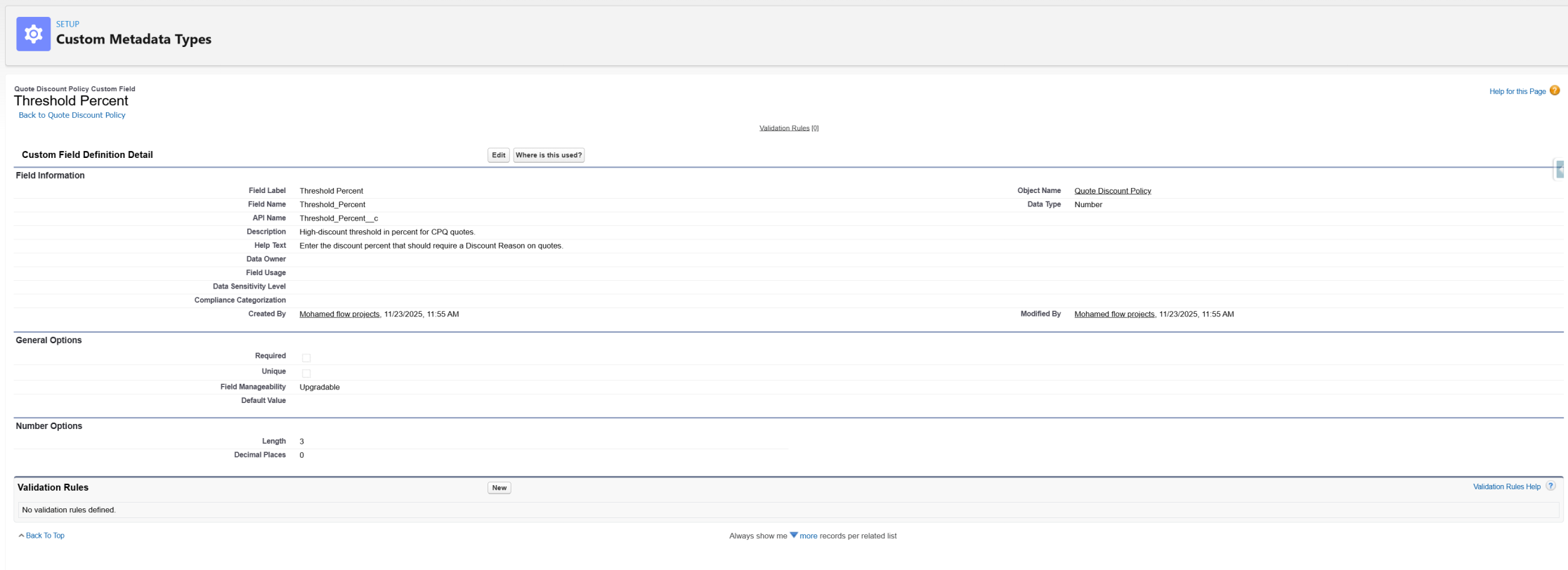
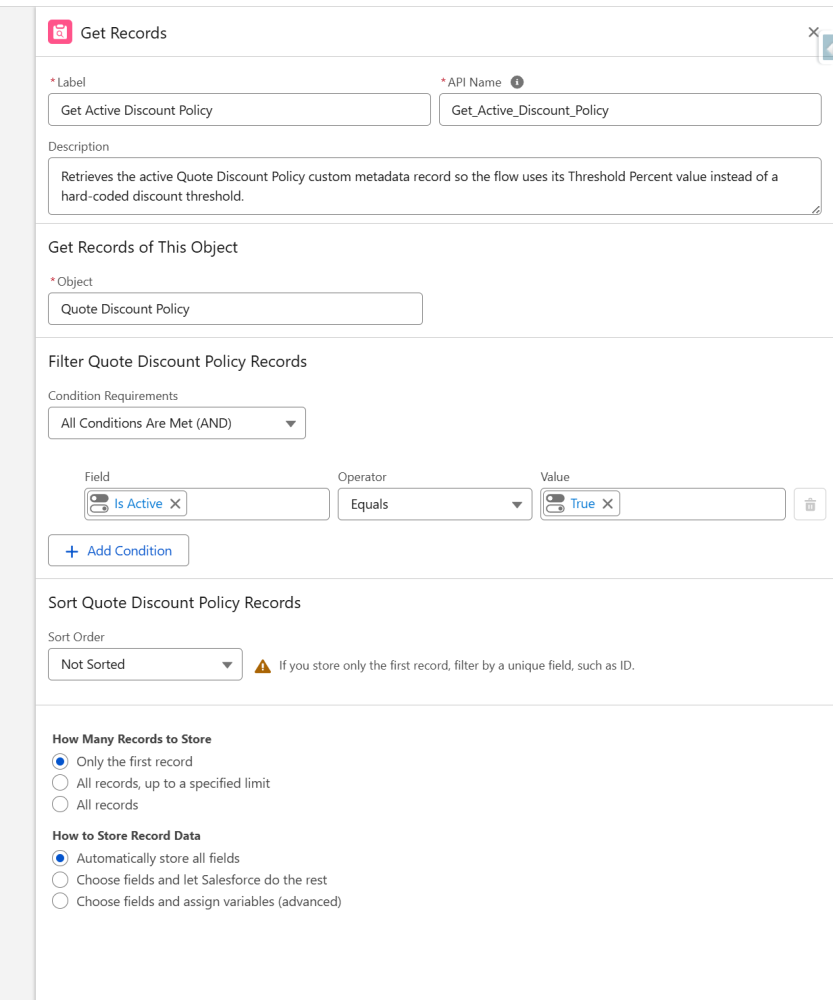
- Configuration: The discount threshold (e.g., 30%) is stored in Custom Metadata (
Quote_Discount_Policy__mdt), allowing Admins to update the % without editing the Flow. - Logic: The Flow blocks the save if
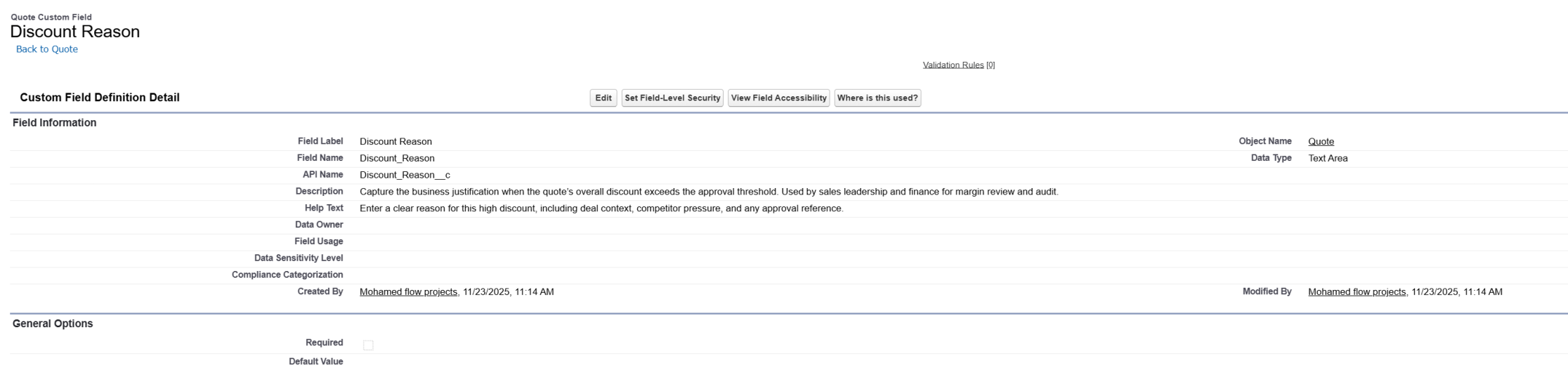
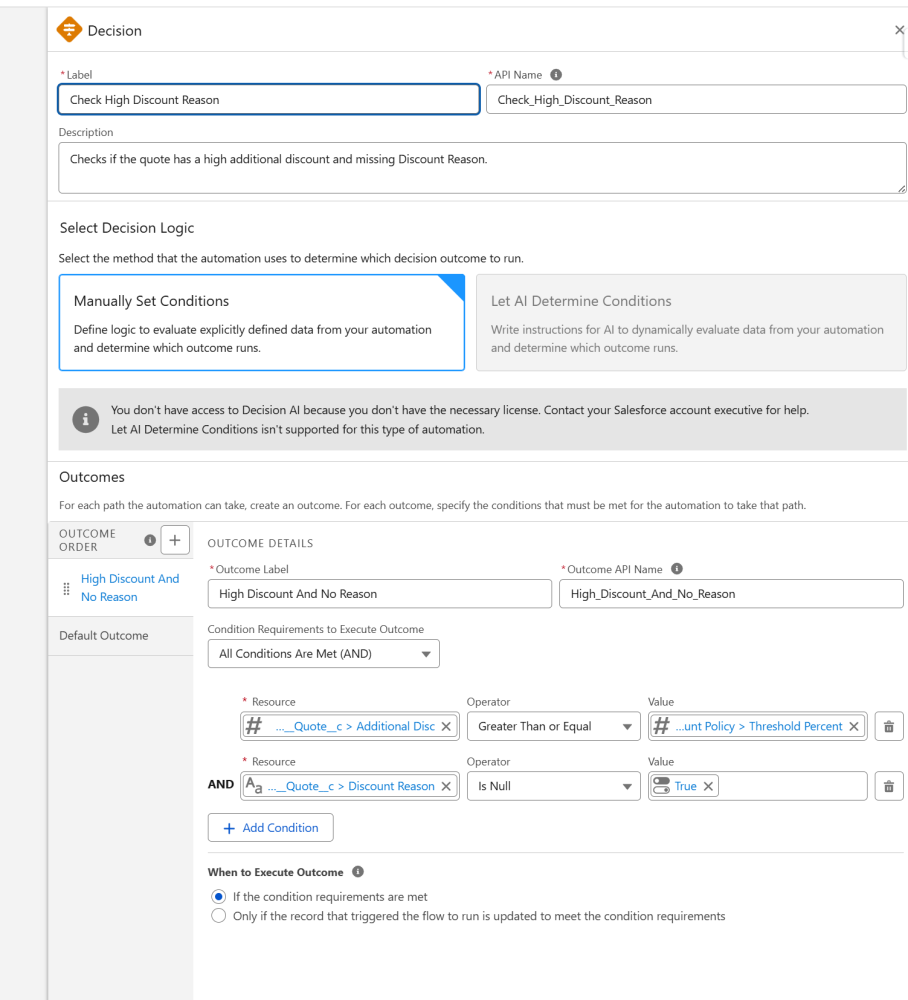
Additional Disc %> Threshold ANDDiscount Reasonis blank.
🎥 Watch the Video Demo
📸 Implementation Gallery
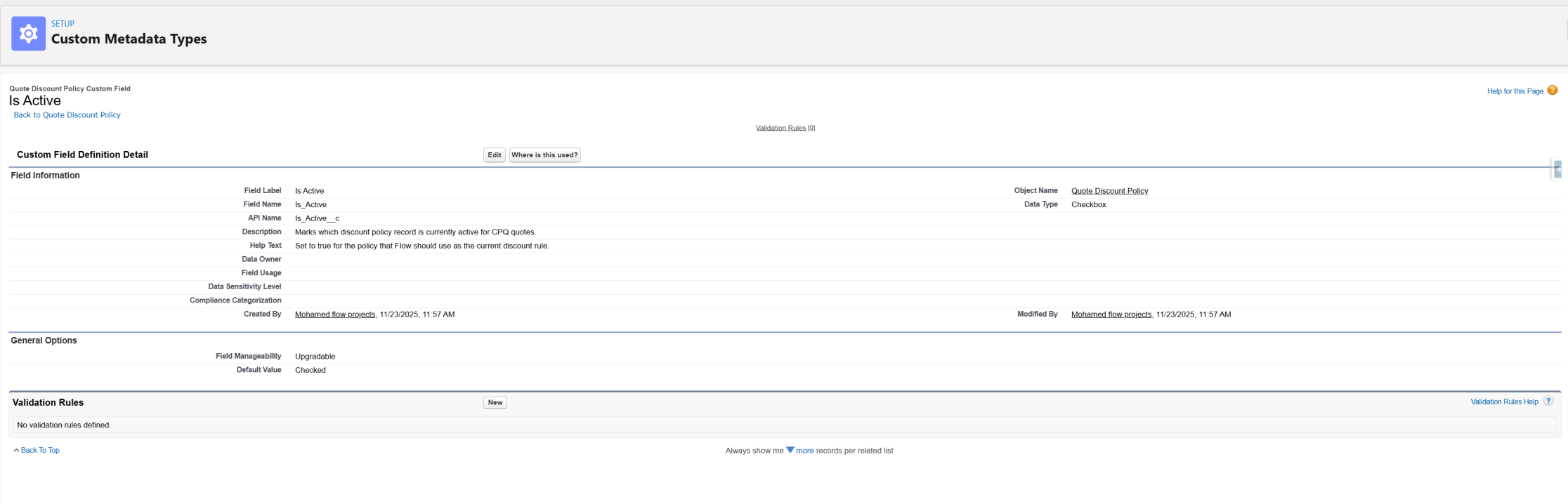
1. Data Model & Governance
Custom Metadata stores the policy (Rule Separation), while the Quote object holds the validation field.
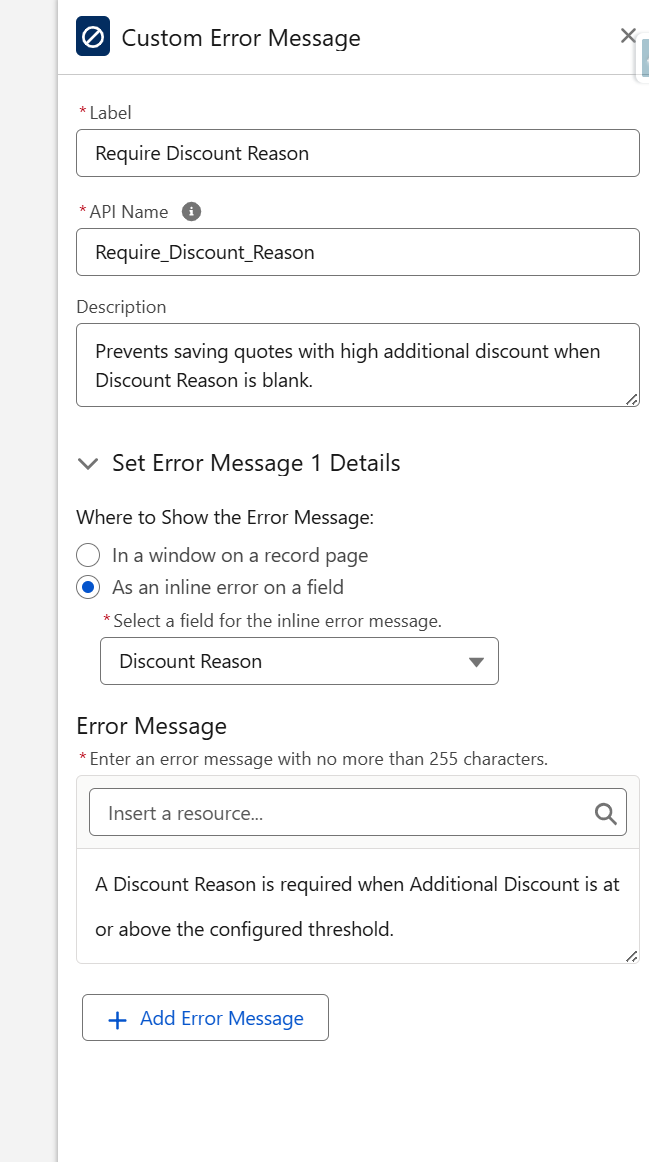
2. Flow Architecture
The “Fast Field Update” Flow fetches the policy and validates input before the database commit.
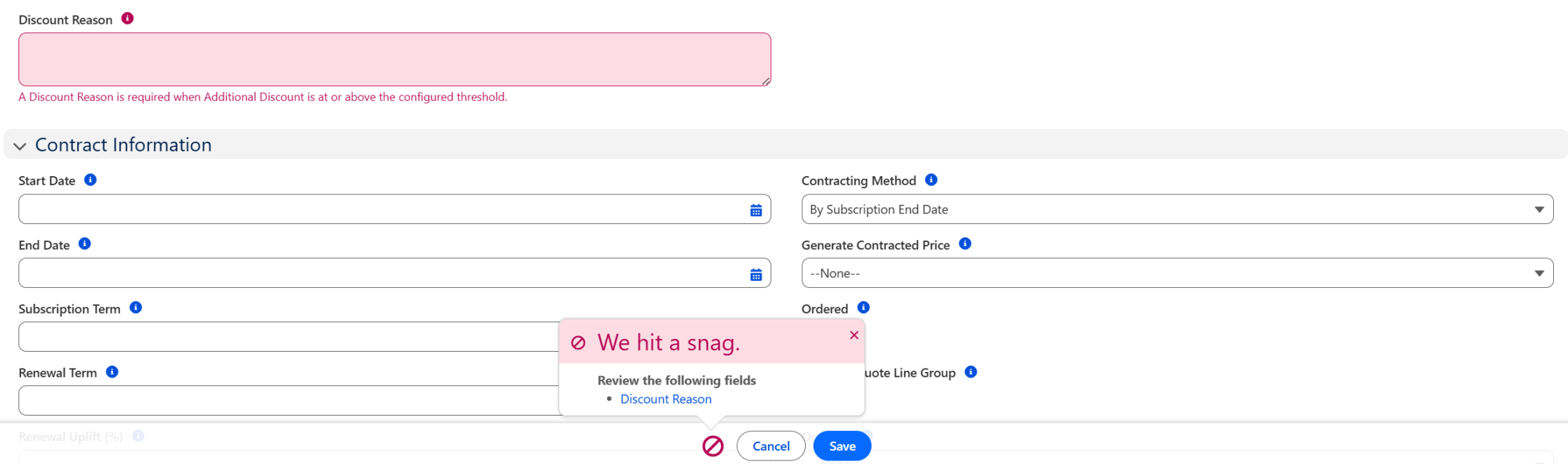
3. User Experience
The result: A clean, inline error message that guides the user to fix the data.

📺 Episode 2: Smart Case Escalation (Scheduled Paths)
The Business Problem
High-priority cases were missing SLAs because escalation relied on manual tracking. There was no consistent way to route overdue cases to the right queue at the right time.
The Solution
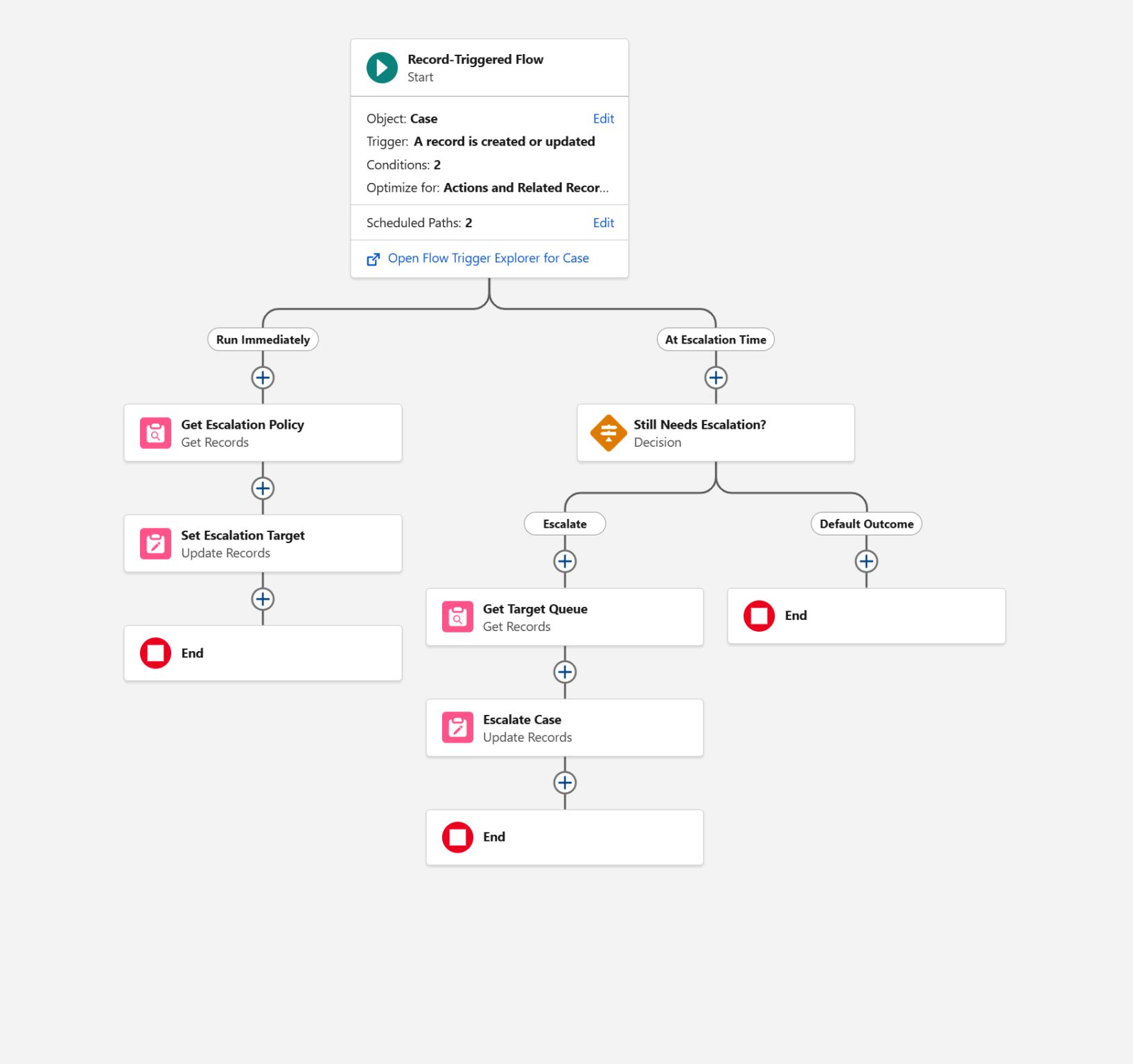
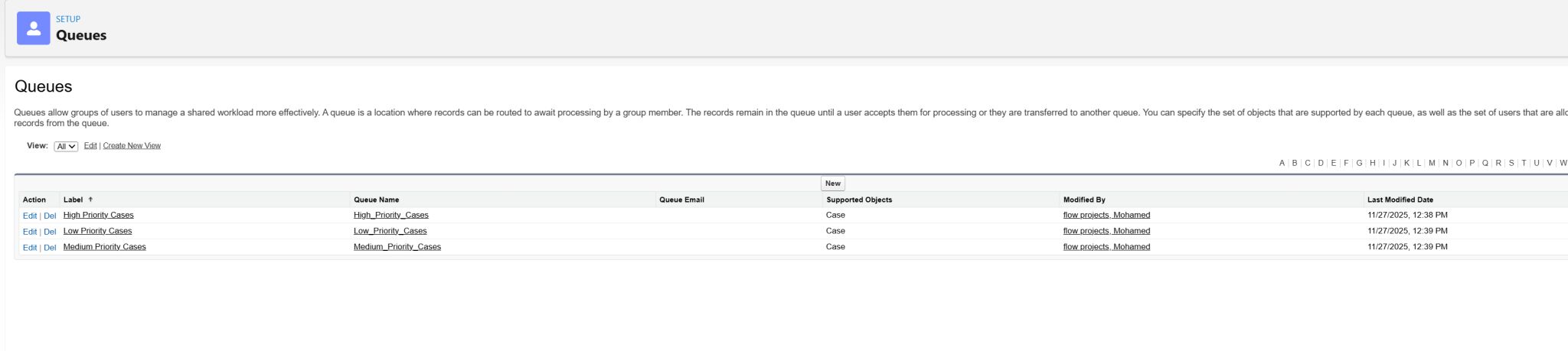
- Routing Logic: A Scheduled Path Flow runs on the Case object. It checks if the Case is still open as the SLA approaches.
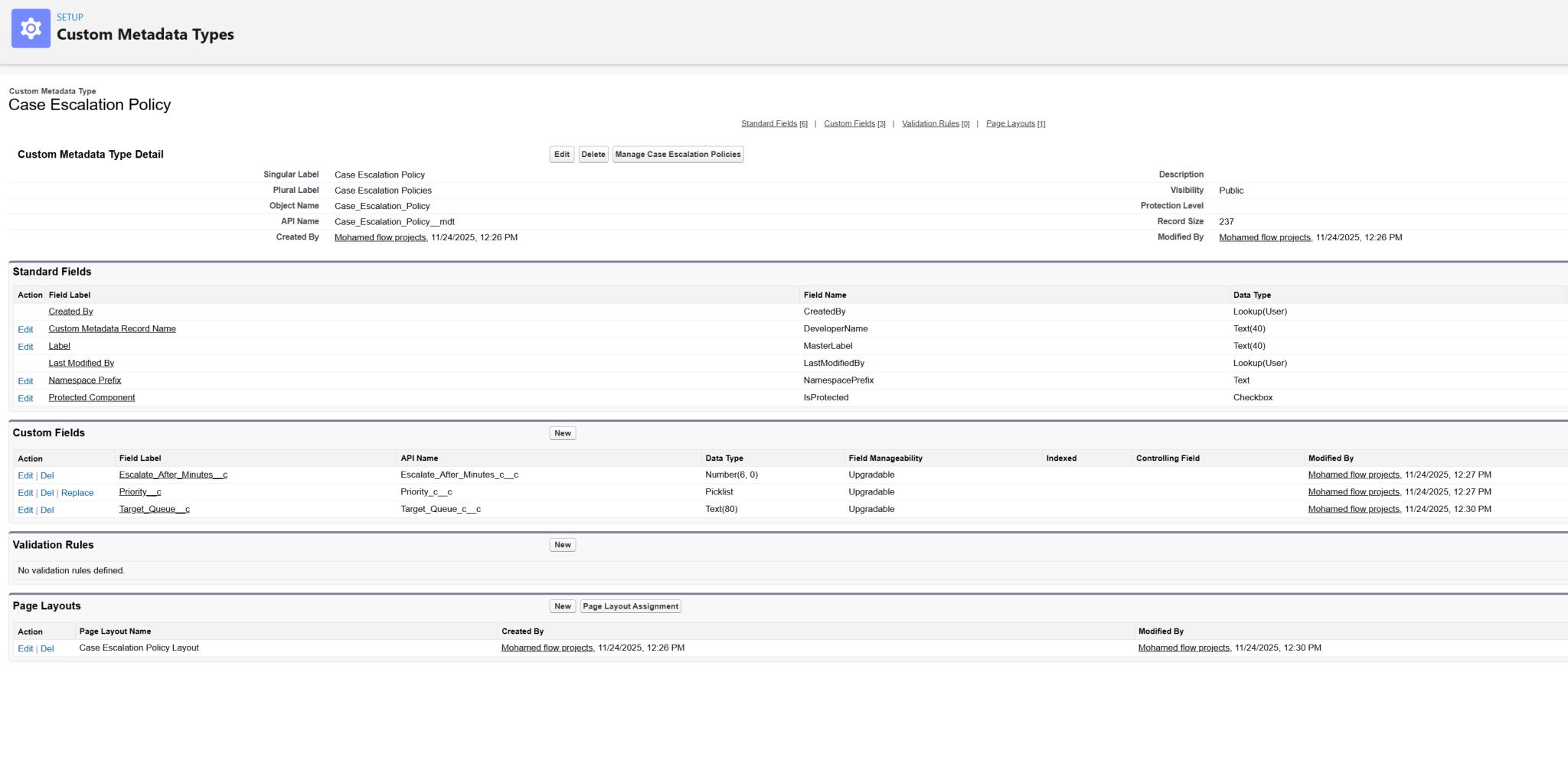
- Configuration: A Custom Metadata Type maps Priority → SLA Minutes → Target Queue.
- Action: Automatically reassigns the case to the correct
Escalation_Queueand stamps an escalation reason without human intervention.
🎥 Watch the Video Demo
📸 Implementation Gallery
Logic & Configuration
The Flow manages both immediate updates and scheduled escalation checks.
📺 Episode 3: Customer Health Signal Hub (Event-Driven)
The Business Problem
Customer health data (usage, billing, NPS) lived in external systems. Sales reps were “blind” to churn risks until it was too late.
The Solution
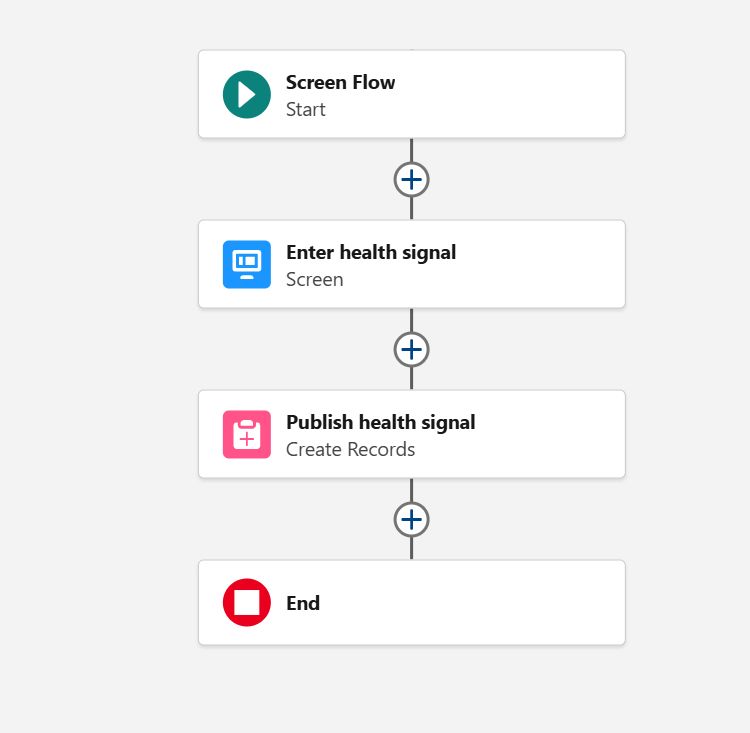
I architected an Event-Driven architecture using Platform Events:
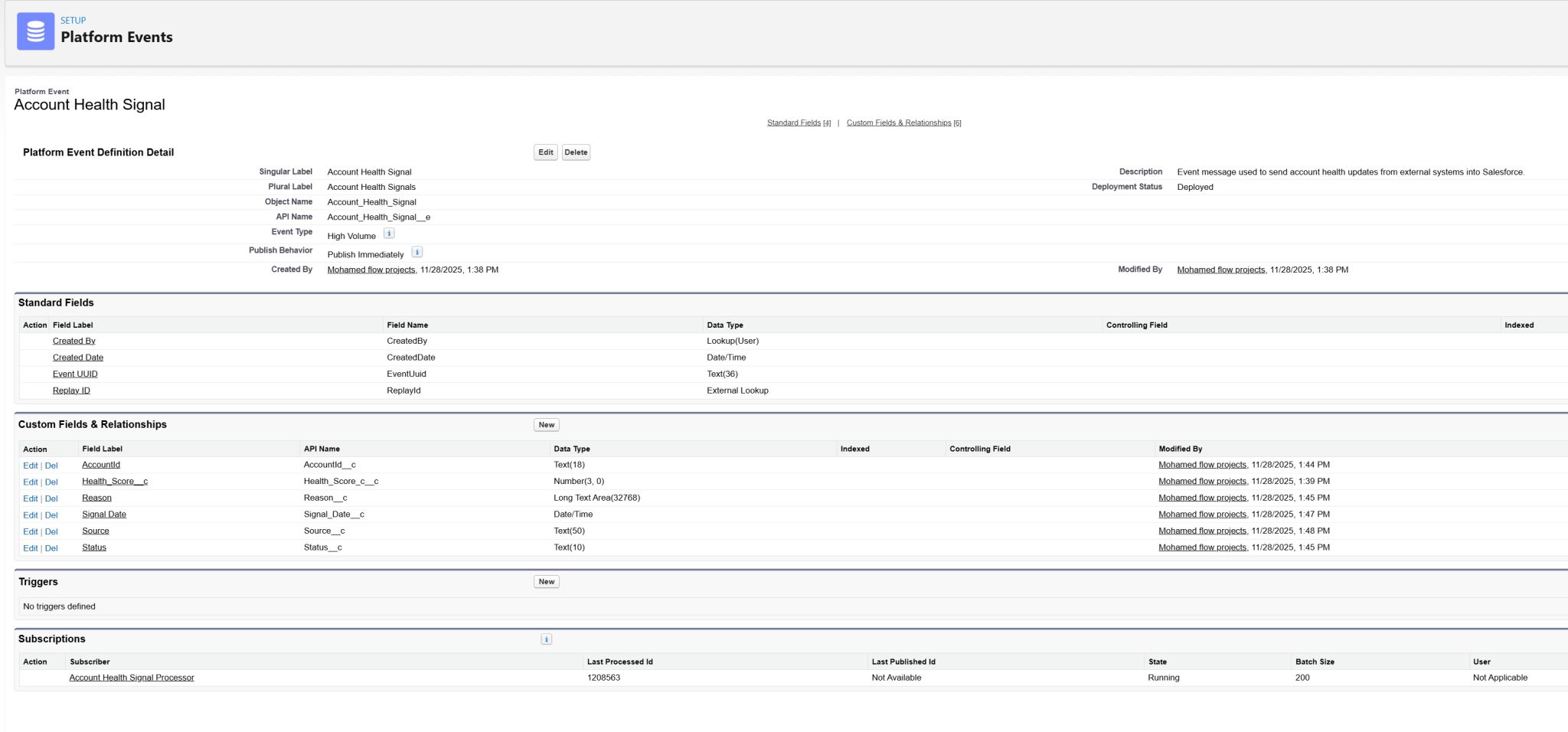
- Ingestion: External systems publish to
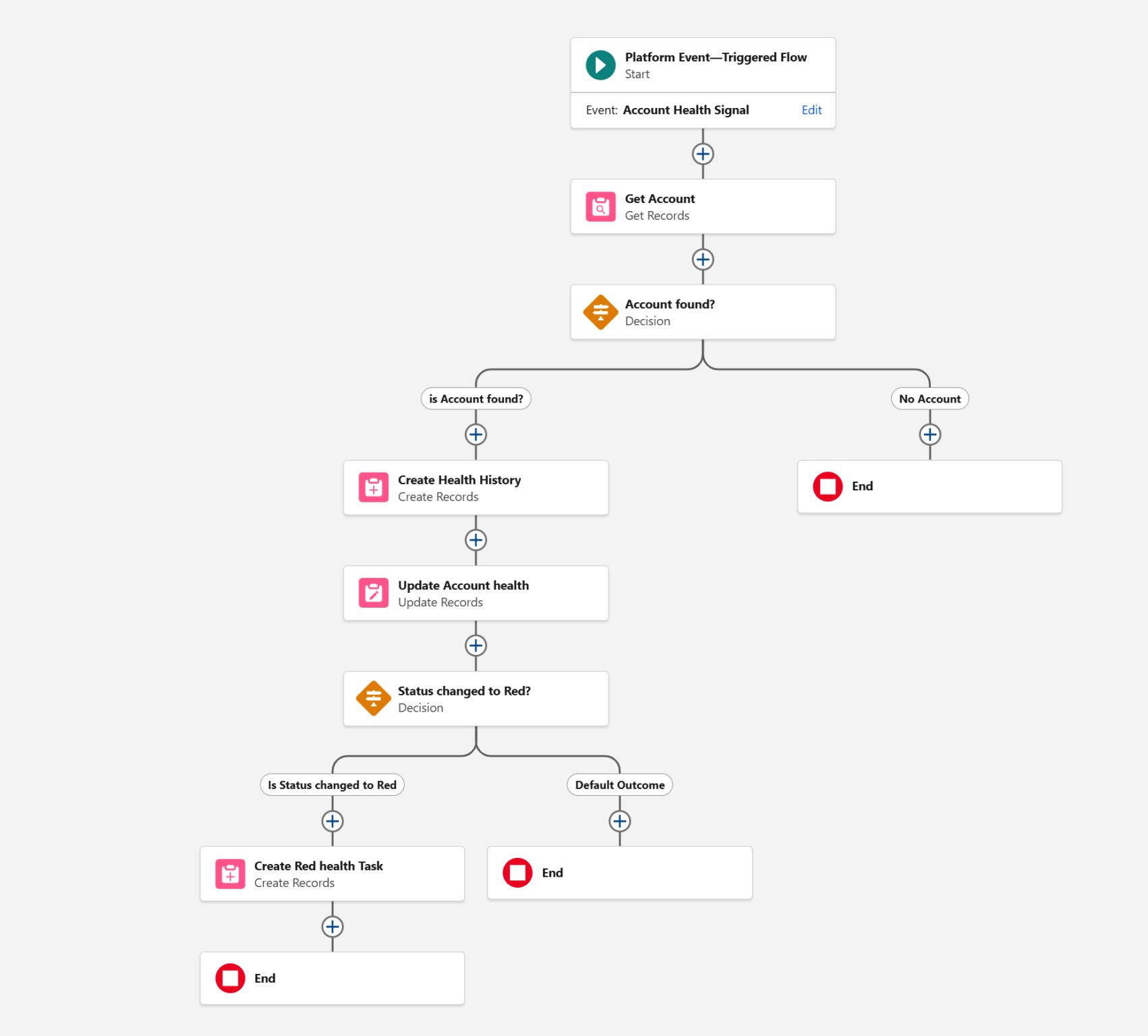
Account_Health_Signal__e(High Volume Platform Event). - Processing: A Platform Event-Triggered Flow receives the signal, finds the related Account, and updates the
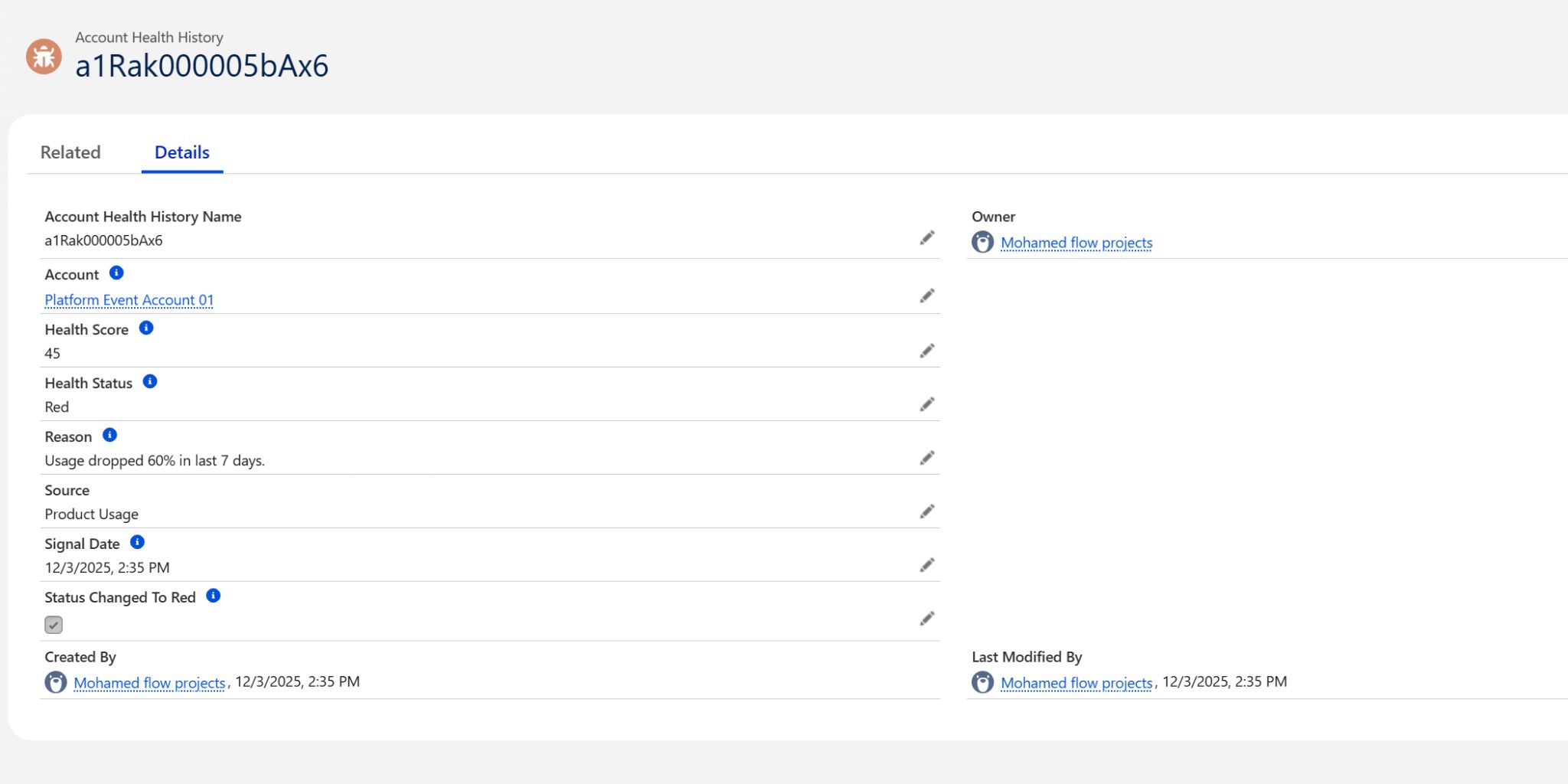
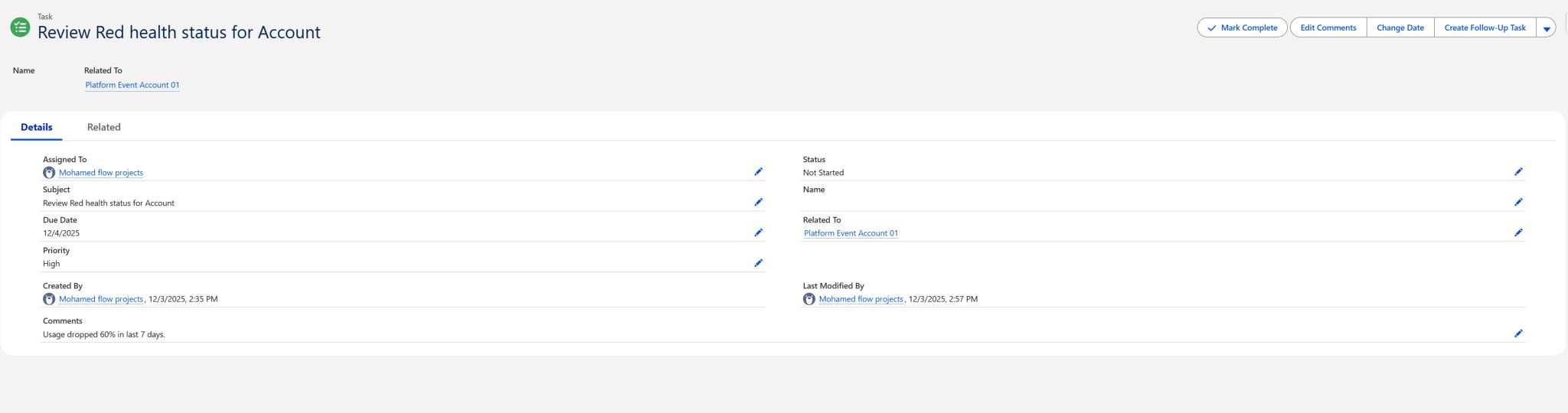
Health_Status__c. - Action: If the status turns “Red,” the Flow auto-generates a High-Priority Task for the Account Owner.
🎥 Watch the Video Demo
📸 Implementation Gallery
Architecture & Automation
Handling high-volume events and automating the response.
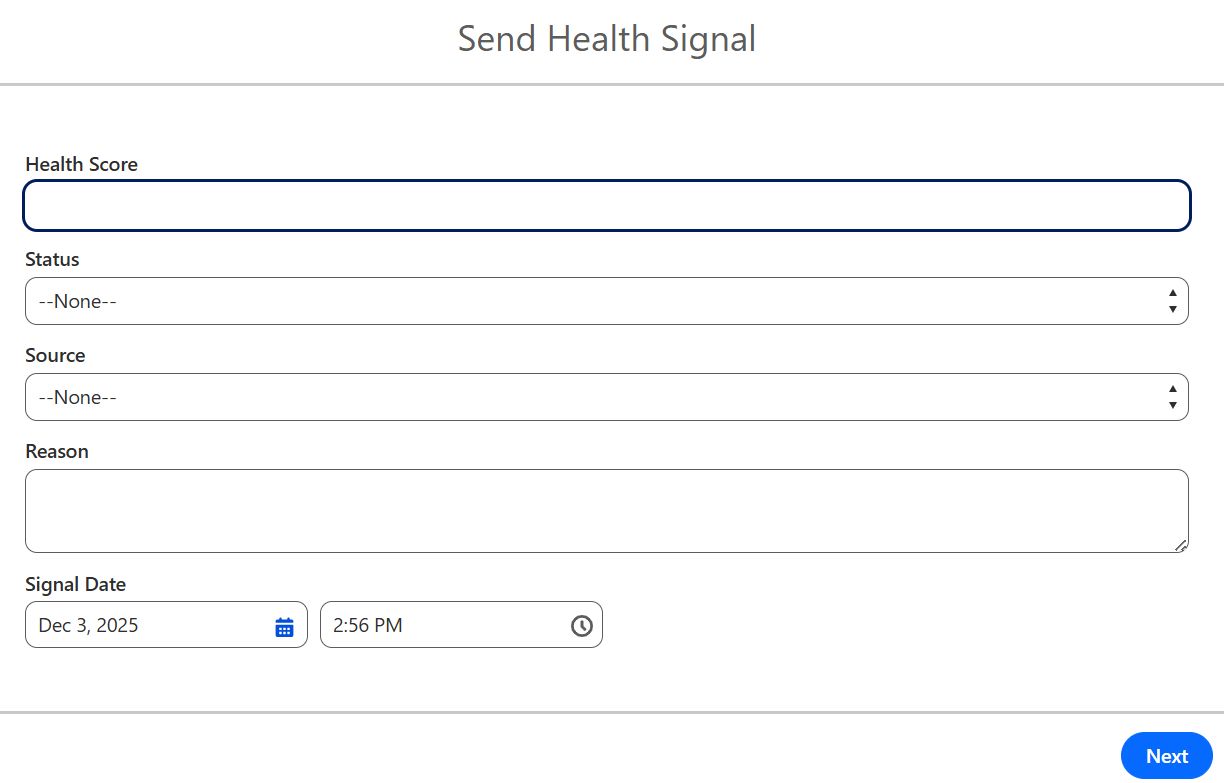
The User Experience
Sales reps see real-time history and get immediate tasks for risks.

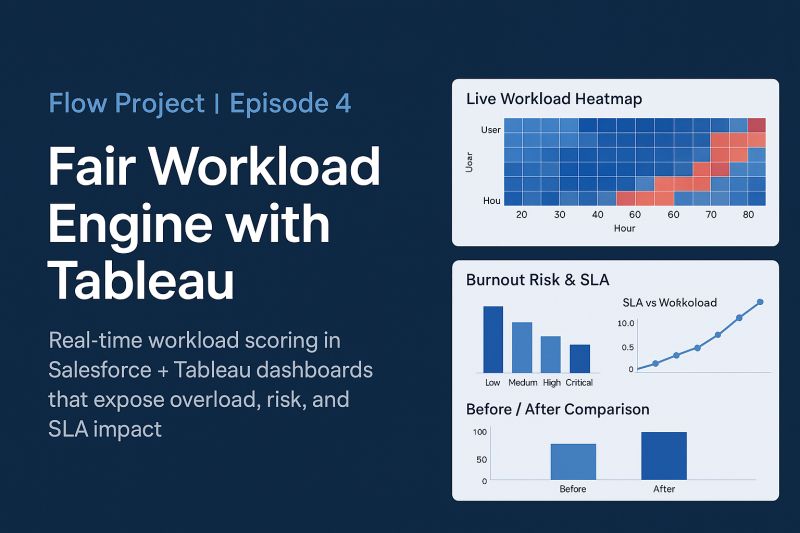
📺 Episode 4: Fair Workload Engine (Tableau Integration)
The Business Problem
Support cases and urgent tasks were piling up on the same few high-performers, leading to burnout. Managers lacked data to prove overload.
The Solution
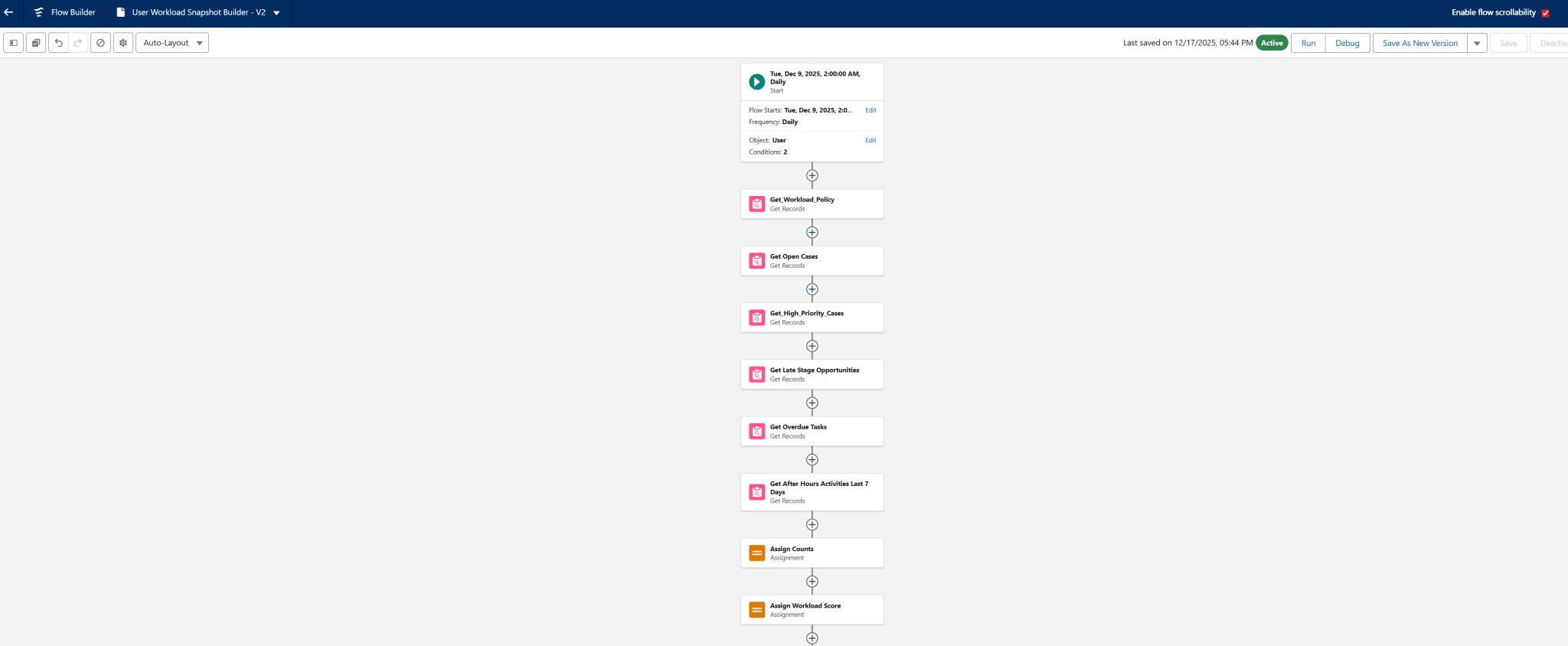
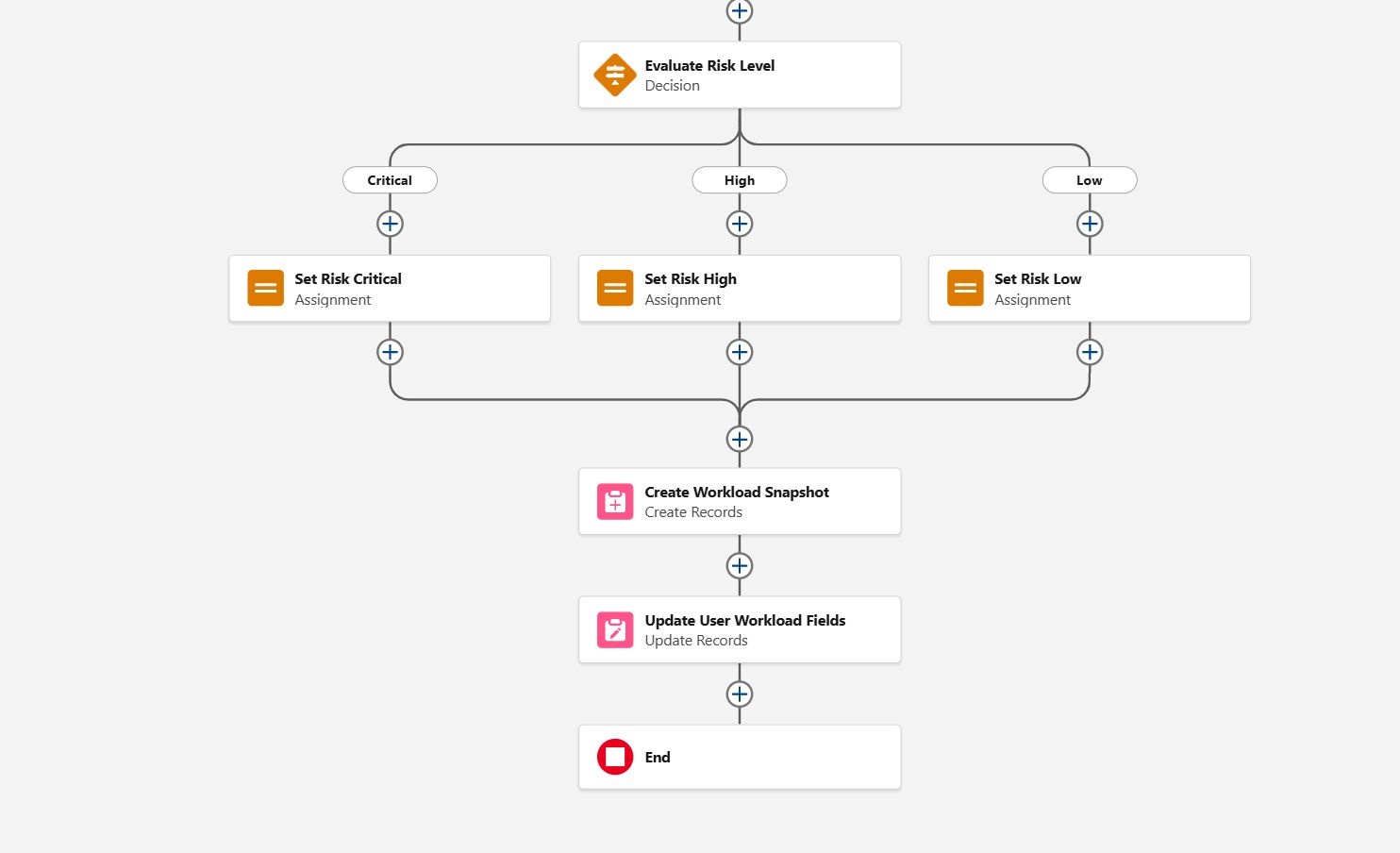
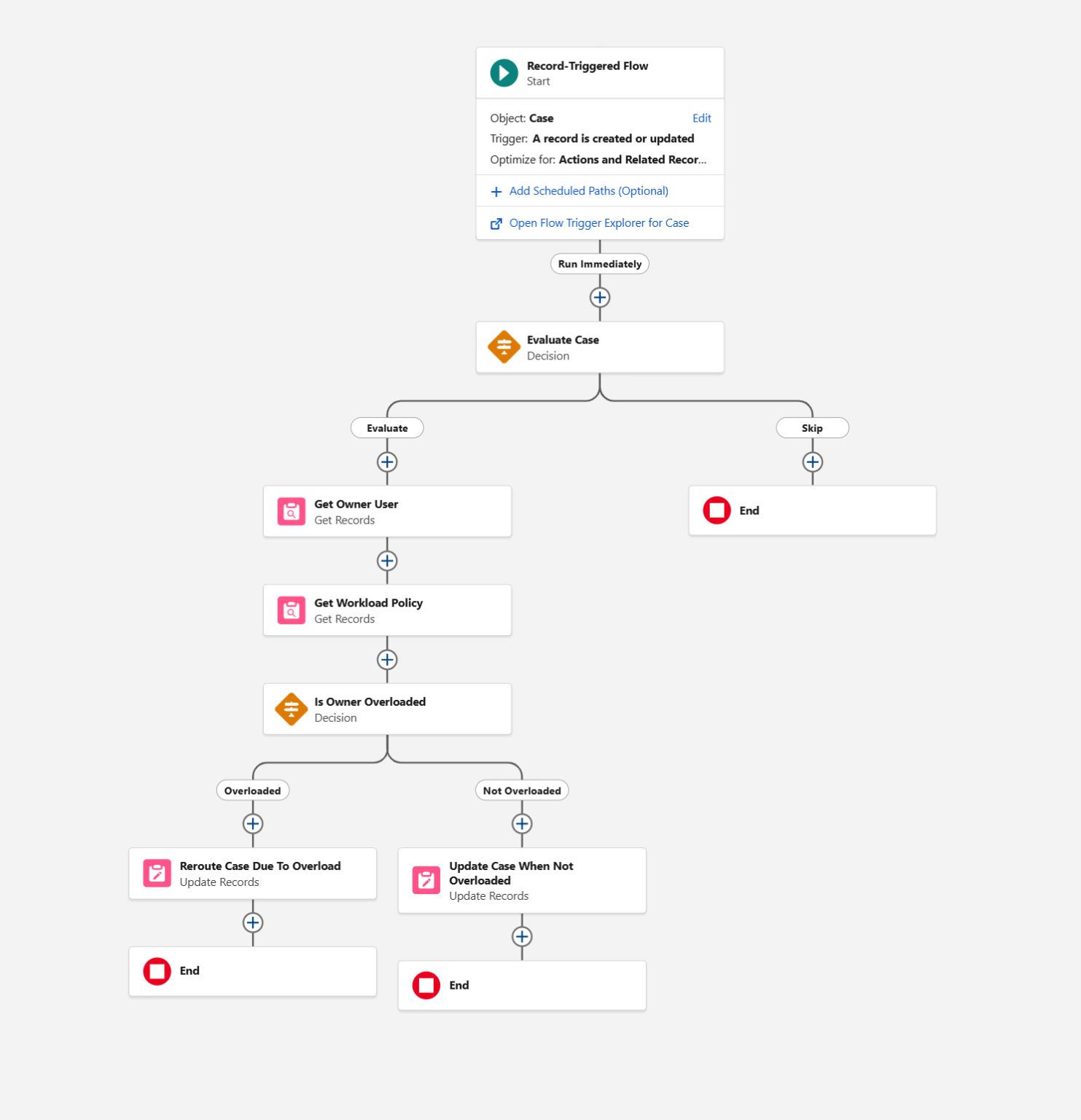
- Scoring Engine: A Scheduled Flow runs nightly to calculate a “Workload Score” for every user based on Open Cases, Complexity, and Overdue Tasks.
- Snapshotting: The score is saved to a
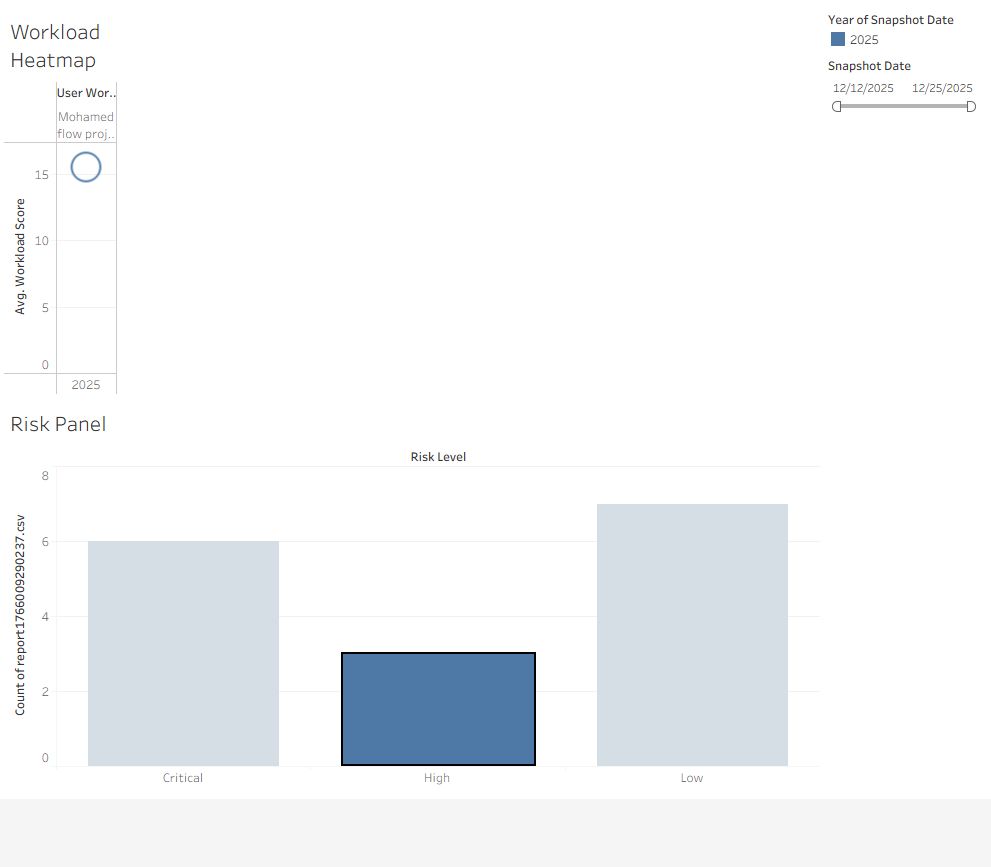
User_Workload_Snapshot__crecord. - Visualization: Data is pushed to Tableau to generate a “Heat Map,” allowing managers to visualize burnout risk across the team.
🎥 Watch the Video Demo
📸 Implementation Gallery
Analytics & Logic
Calculating the score and visualizing the risk.
📺 Episode 5: Real-Time Credit Risk Engine (No-Code Integration)
The Business Problem
Sales reps were negotiating deals with clients who had poor credit, leading to rejected contracts. The credit check process was manual and slow (email-based).
The Solution
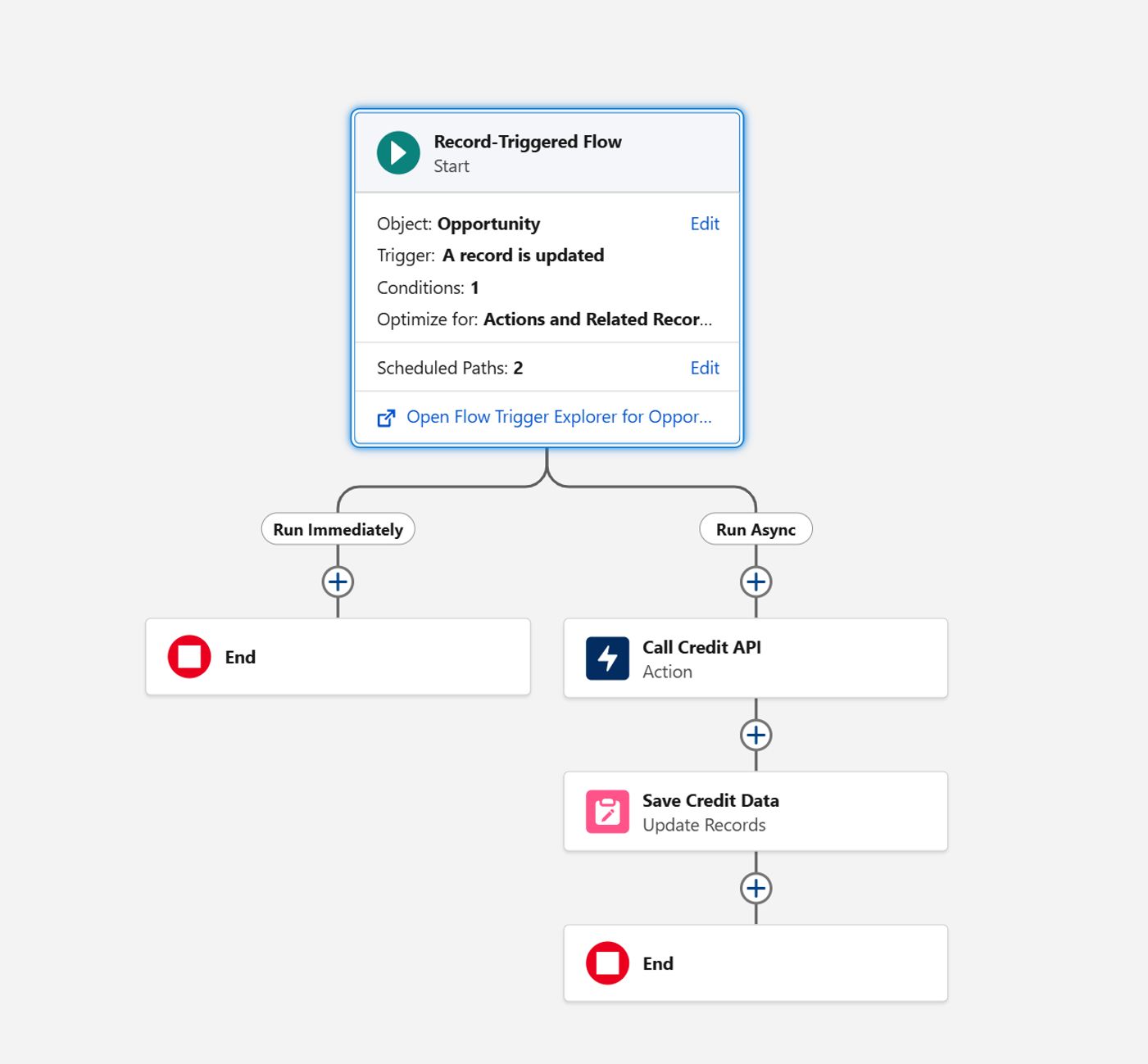
I built a No-Code Integration using External Services:
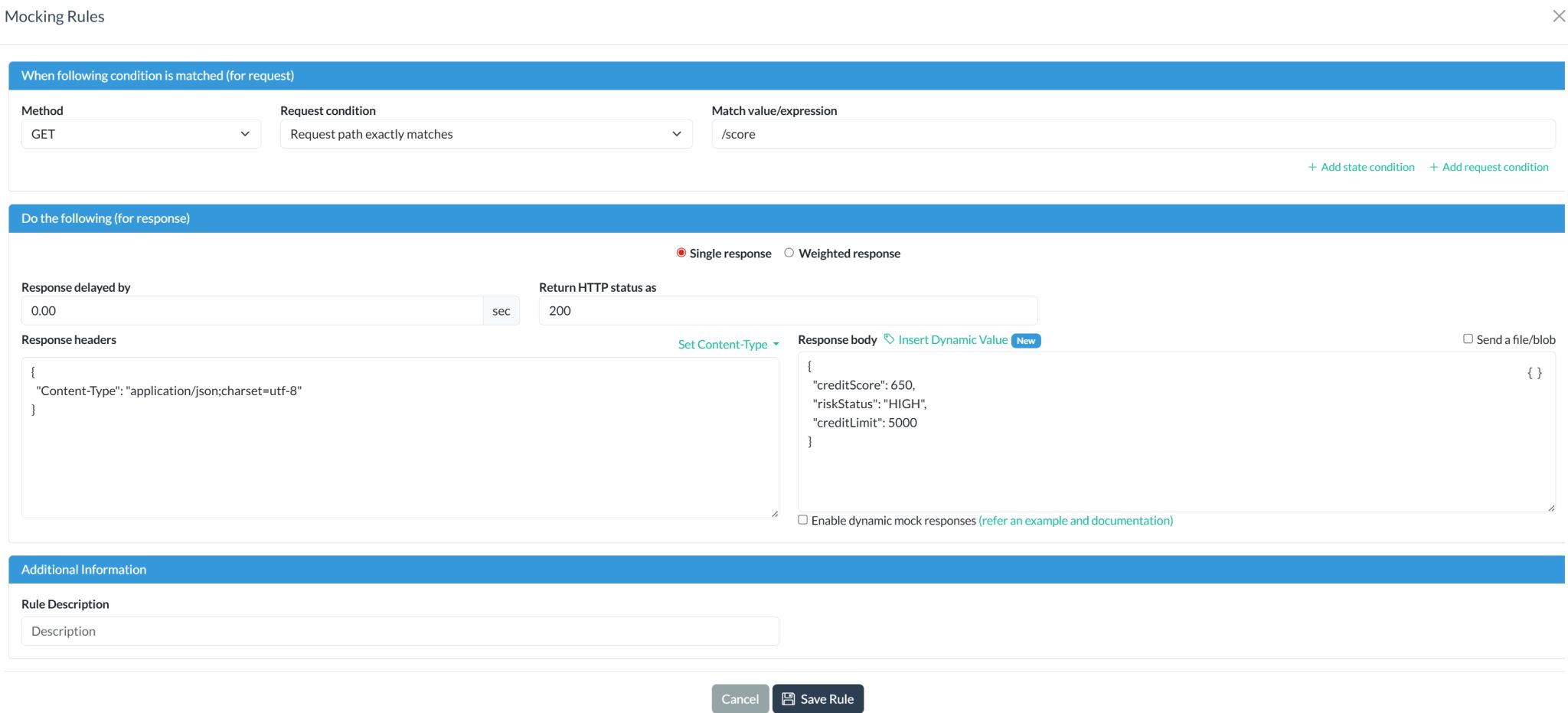
- Integration: Ingested a Swagger/OpenAPI schema to connect Salesforce to an external Banking API.
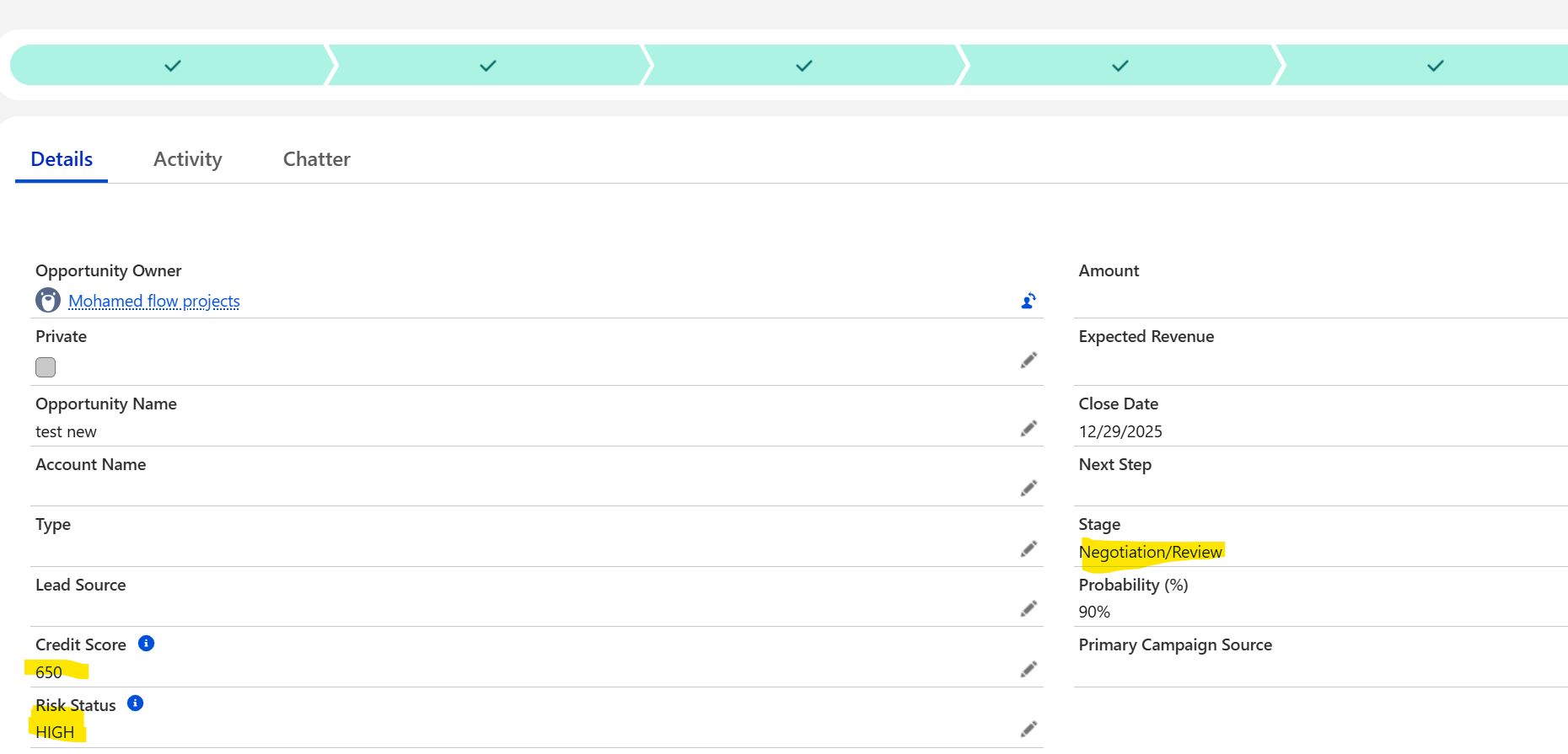
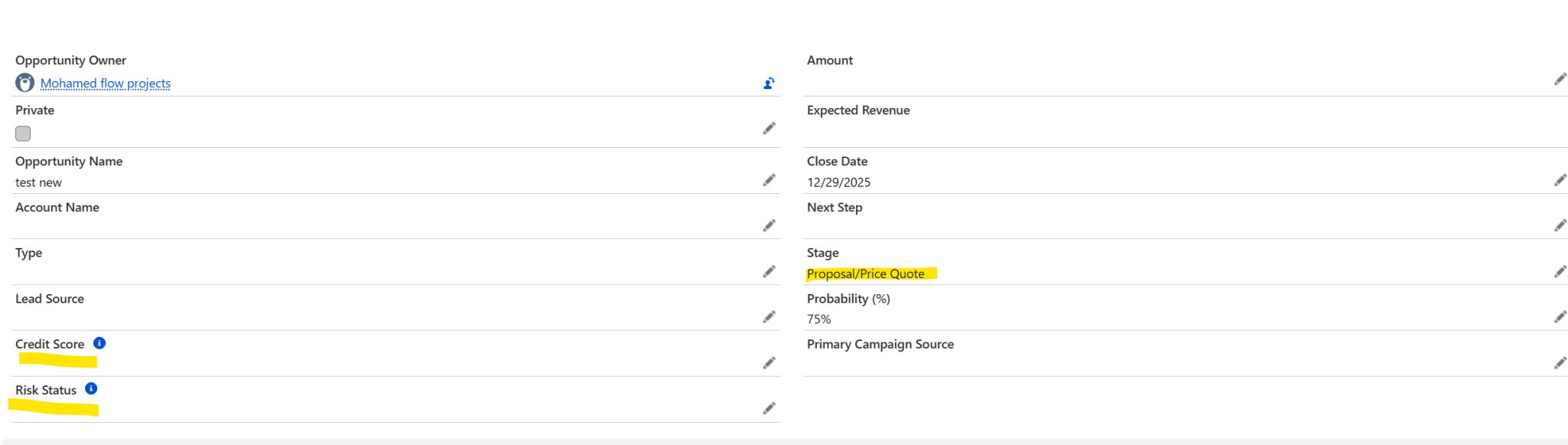
- Automation: When an Opportunity reaches “Negotiation,” an HTTP Callout (GET) fetches the real-time credit score.
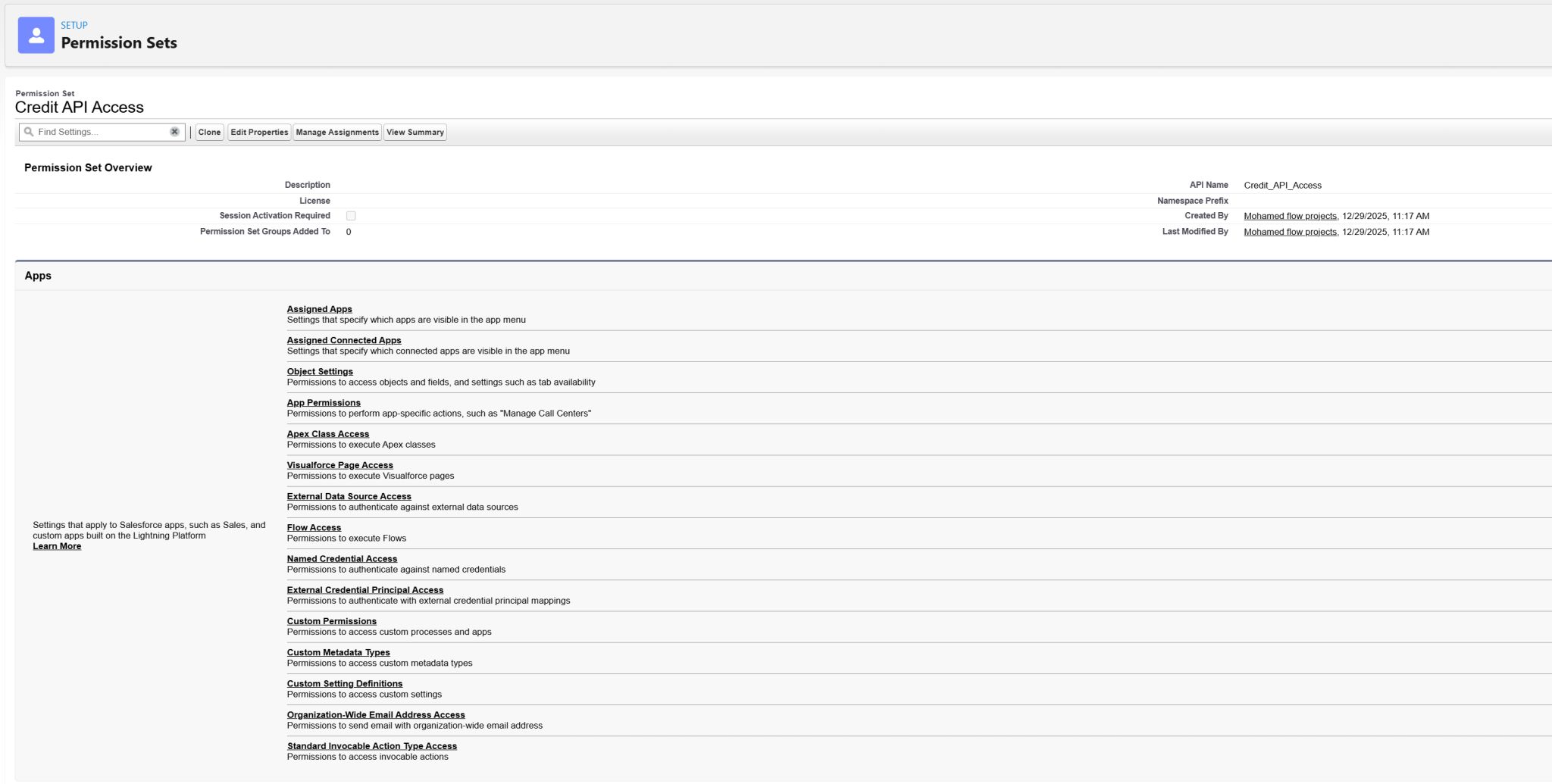
- Security: Uses Named Credentials to handle authentication securely without Apex.
🎥 Watch the Video Demo
📸 Implementation Gallery
Integration Architecture
Connecting Salesforce to the Banking API securely.


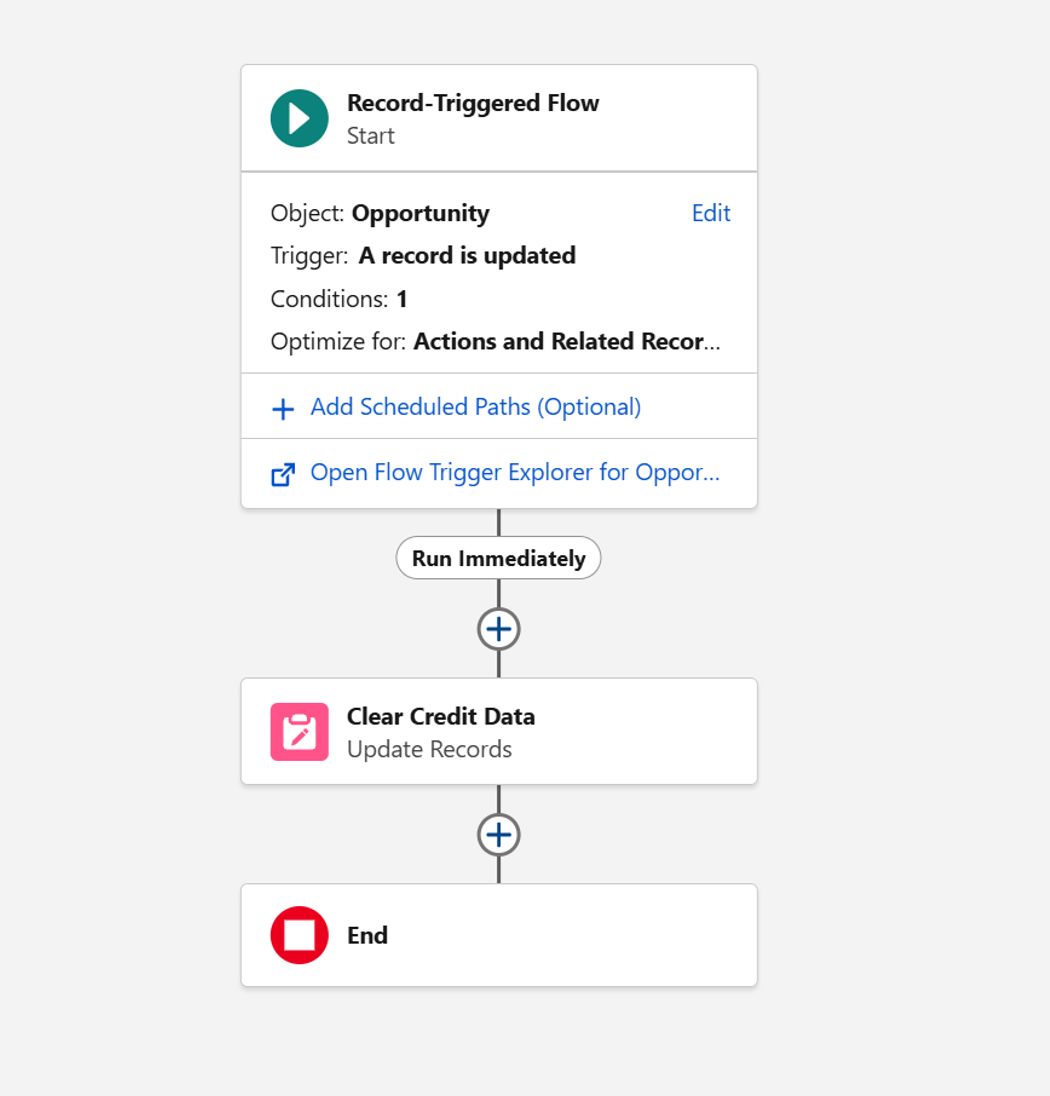
Flow Automation
Handling the API call asynchronously to prevent timeouts.
Final Result
Real-time credit data appears instantly on the Opportunity.